TutorPapa.com: The Future of Online Learning – Connect with Expert Teachers Worldwide
Online learning is no longer a stop-gap. Here is what is really changing, how to mix tutors, live classes and courses, and how to make online study work at home.

TutorPapa Owner
03 Nov 2026 · 5 min read
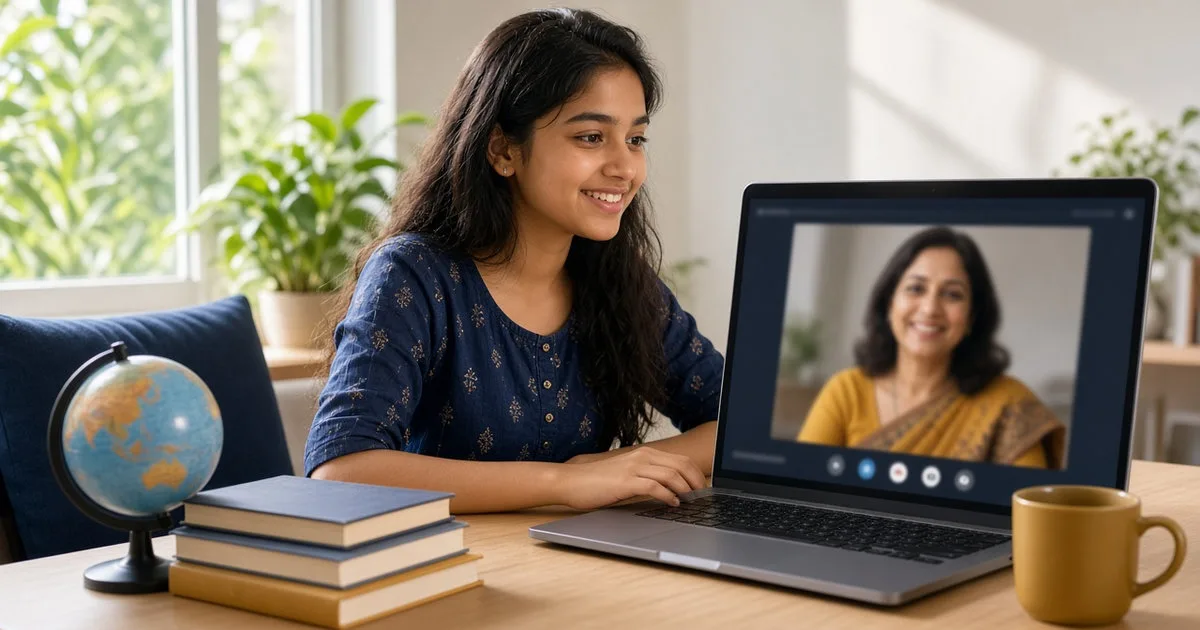
A few years ago, online classes were something families put up with. Today many students choose them, because a good online class can give more attention, more flexibility and a wider choice of teachers than the options down the road. But "online learning" covers everything from a pre-recorded video to a live one-to-one lesson, and the results vary a lot. This guide explains what is really changing, what the future of online learning looks like for an ordinary Indian family, and how to make it work at home.
Online learning has grown up
The first wave of online classes was about moving the classroom onto a screen. The same lecture, the same 40 students, just on video. Many children found it tiring, and parents saw little improvement.
The second wave looks different. Instead of one big lecture, students can now pick the format that suits each need: a personal tutor for a weak subject, a recorded course to revise at their own pace, and a live batch when they want structure and energy. The teacher is chosen for skill, not for distance from home.
What the future of online learning means for your family
Personal attention, not just videos
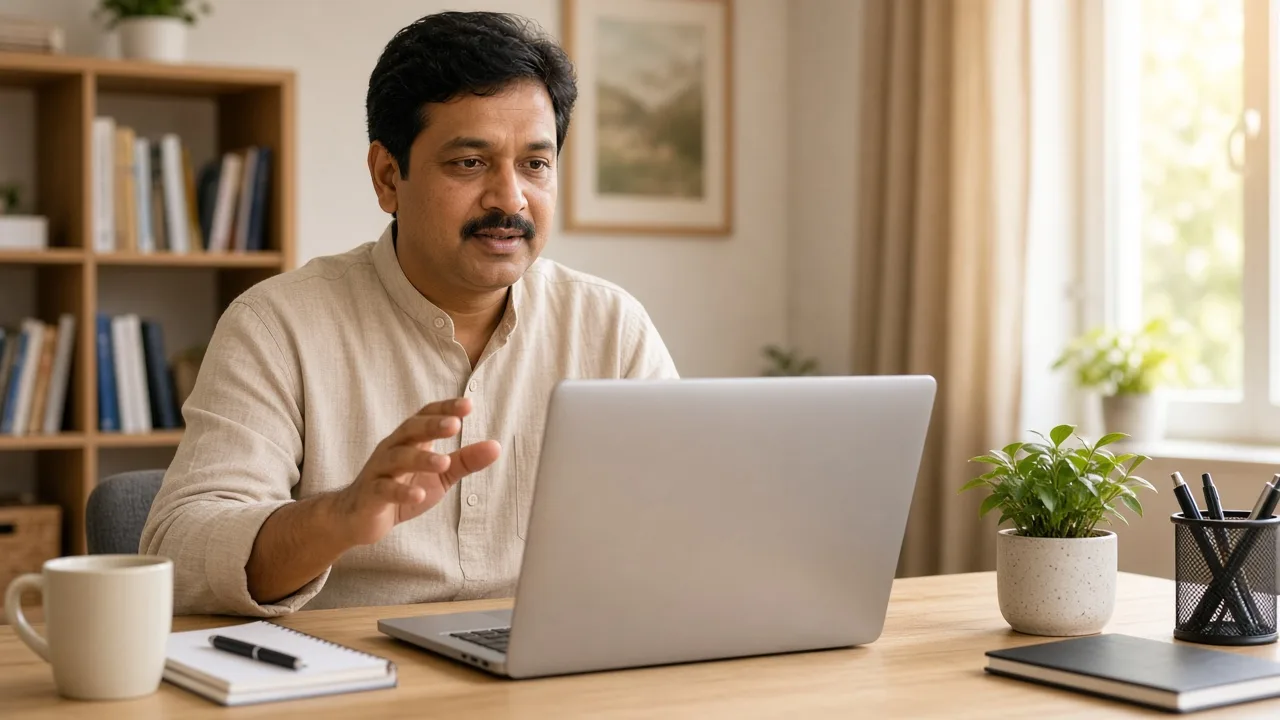
The biggest change is the return of personal attention. In a one-to-one or small-group online class, the tutor can see where a student hesitates, ask them to explain a step, and adjust the pace. That is very hard in a crowded classroom or a large coaching batch.
Mixing formats instead of choosing one
Most students do best with a mix. A Class 10 student might take a weekly maths session with a tutor, watch short recorded lessons to revise science, and join a live doubt-solving class before exams. On TutorPapa these three ways to learn sit together: personal tutors, recorded courses and live classes and batches.
Teachers are no longer limited by your pin code
A student in a small town can learn Physics from an experienced teacher in another state. A family in Dubai or London can keep their child connected to a CBSE teacher in India. This is what "connect with expert teachers worldwide" means in practice: the best fit for your child, wherever that teacher lives. We look at this in more detail in From Classroom to Global Learning.
How TutorPapa fits into this picture
TutorPapa is an online tutoring platform built in Lucknow, India, that connects students, parents and teachers. A few things are designed to make online learning more trustworthy:
Subject specialists only. Tutors are subject specialists with at least 2 years of teaching experience.
Checked profiles. The Verified badge means the team has checked identity and qualification documents. Tutor onboarding also includes a background check, a safeguarding policy and a short demo.
Try before you commit. Many tutors offer a free first demo class; their profile shows a "Free demo" tag when it applies.
Help if you are unsure. If you cannot find the right person, you can post a free requirement and the team will suggest suitable tutors.
It covers all school subjects and classes, boards such as CBSE, ICSE, state boards, IB and IGCSE, and competitive exams like JEE and NEET, with home tuition in many metro cities and online classes for students anywhere. For a full tour of the tools, read One Platform, Unlimited Learning.
Making online learning actually work at home
Technology is the easy part. Habits decide whether online learning works. These simple steps help most families.
Set up a simple study corner
Choose a quiet spot with a table, good light and the screen at eye level. Keep a notebook and pen within reach, because writing by hand helps memory. Earphones with a mic cut background noise for both sides. Keep the phone away unless it is the device being used for class.
Agree on goals before the first class
"Improve in maths" is too vague. "Be comfortable with algebra word problems before the half-yearly exam" is a goal a tutor can plan for. Share recent test papers with the tutor so they can see real mistakes, not guesses.
Ask the student to teach back
At the end of each session, the student should be able to explain one idea in their own words. If they cannot, the topic needs another look. Good tutors build this into their lessons, and parents can ask about it casually at dinner.
Keep parents in the loop
Parents do not need to sit in every class. A short check-in with the tutor every few weeks is enough: what is improving, what is still weak, and what the student should practise. On TutorPapa, parents can add their children to their account and follow their progress reports.
Skills that matter beyond marks
The future is not only about higher scores. Online learning, done well, also builds habits that last: managing time, asking questions clearly, using digital tools sensibly and learning independently. These are the same skills students need in college and at work.
It also makes it easier to learn things school does not teach, such as spoken English, coding or music. Our guide Find the Best Online Tutors in India and Abroad shows how to search for these.
What online learning cannot replace
An honest view of the future includes limits. Screens cannot replace sleep, outdoor play, friends or the routine of school. Younger children need shorter sessions and an adult nearby. Practical subjects still need hands-on work. Treat online learning as a strong support for school, not a substitute for a balanced day. Aim for short breaks between sessions and avoid stacking several online classes back to back.
How to tell if online learning is working
After a month or so, look for these signs rather than just the next test score:
Your child starts homework with less fuss and finishes it faster.
They can explain a topic in their own words, not just repeat the tutor's.
They ask more questions, in class and at home.
School test mistakes are changing: fewer basic errors, more "nearly right" answers.
If none of this is happening, talk to the tutor about changing the plan, the pace or the format. Sometimes a switch from one-to-one to a live batch, or the other way round, is all it takes.
Getting started
If you are new to online learning, start small. Pick one subject where your child needs help, compare a few profiles and book a demo class. After four weeks, review honestly: is your child more confident, and can they solve problems they could not solve before?
You can browse tutors, create a free account, or watch our short Hindi video on how to study online on TutorPapa. For help, call 9984248424 or 8188998866, or email mytutorpapa@gmail.com.
Frequently asked questions
It can be, when the class is live and interactive, the tutor checks understanding often, and the student has a quiet place to study. Passive video-watching alone is usually less effective.
No. A laptop or tablet, a stable internet connection, earphones with a mic and a notebook are enough for most subjects. A phone works for short sessions, but a bigger screen helps.
Yes. Online tuition on TutorPapa is open to students anywhere in India and abroad, so you can choose a tutor for their subject knowledge rather than their location.
TutorPapa tutors are subject specialists with at least 2 years of teaching experience. Look for the Verified badge, which means the team has checked identity and qualification documents, and read reviews left by learners.
Looking for a tutor?
Tell us what you need — get matched with verified tutors in 2 hours.